EvoMaterials – A new state of the art in metallurgy

Strategic materials supply is at a critical point: demand is surging and requirements are becoming more complex, while the old routes are increasingly vulnerable, contested and unsustainable.

EvoMaterials® is a new technology platform for producing strategic materials; low-CO₂, high-purity metals and advanced materials.

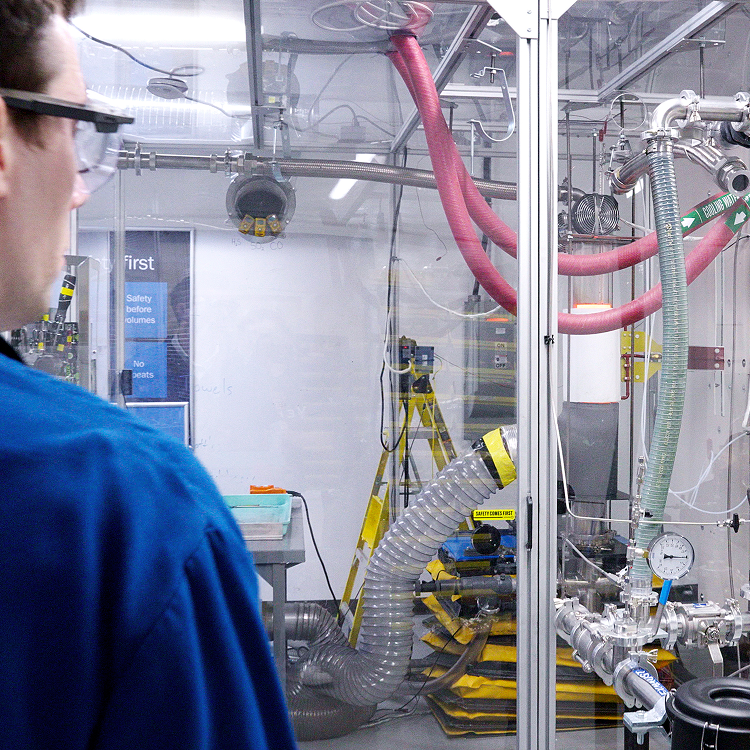
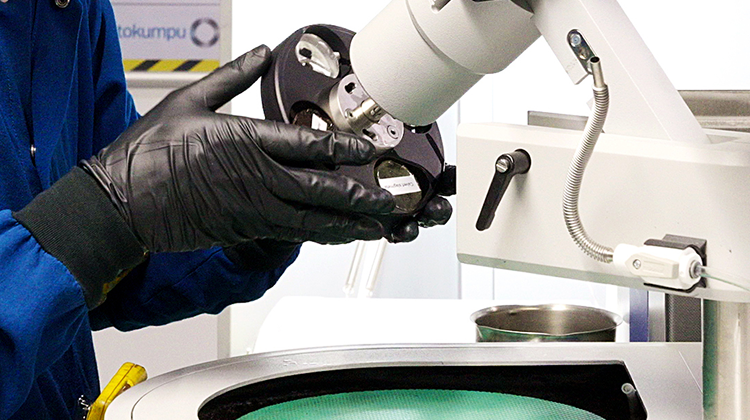
Having proven the process at kilogram scale at EvoMaterials technology laboratory in Haverhill, MA, USA, Outokumpu is now scaling it towards one-tonne production at the pilot plant in Londonderry, NH, USA, planned to become operational in the first half of 2027. From 2027 to 2030, the focus shifts towards industrialisation.

The technology changing what is possible

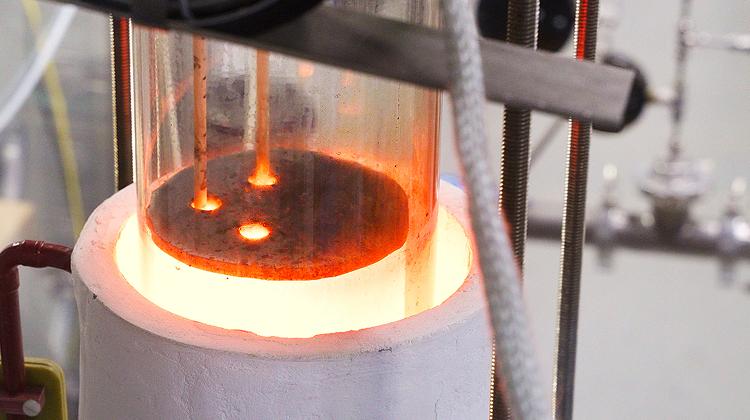
At its core, EvoMaterials is built on a breakthrough; advanced sulfidation-based process technology that unlocks new levels of efficiency, flexibility, decarbonization and material performance.

The technology enables new processing pathways for low-CO₂ metals, advanced materials and specialty alloys, with potential to expand into other strategic materials and open completely new value streams.

0

1

2

3

4

5

6

7

8

9

1

2

3

4

5

6

7

8

9

0

1

2

3

4

5

6

7

8

9

0

1

2

3

4

5

6

7

8

9

0

 kg

the next step:

Scaling production trials from 1 kg to 1 tonne at our U.S. pilot plant.

Process 1

Premium metals no longer depend on premium ore

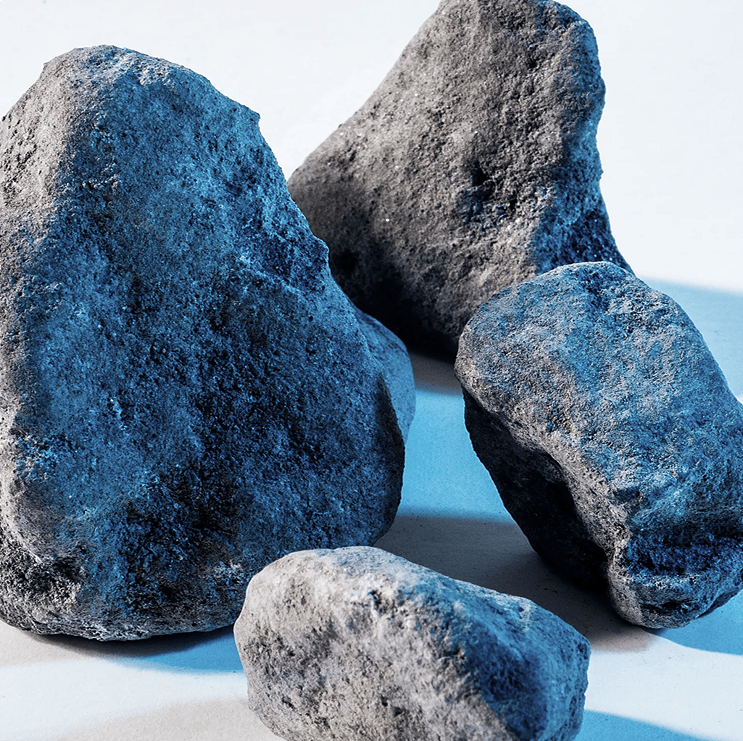
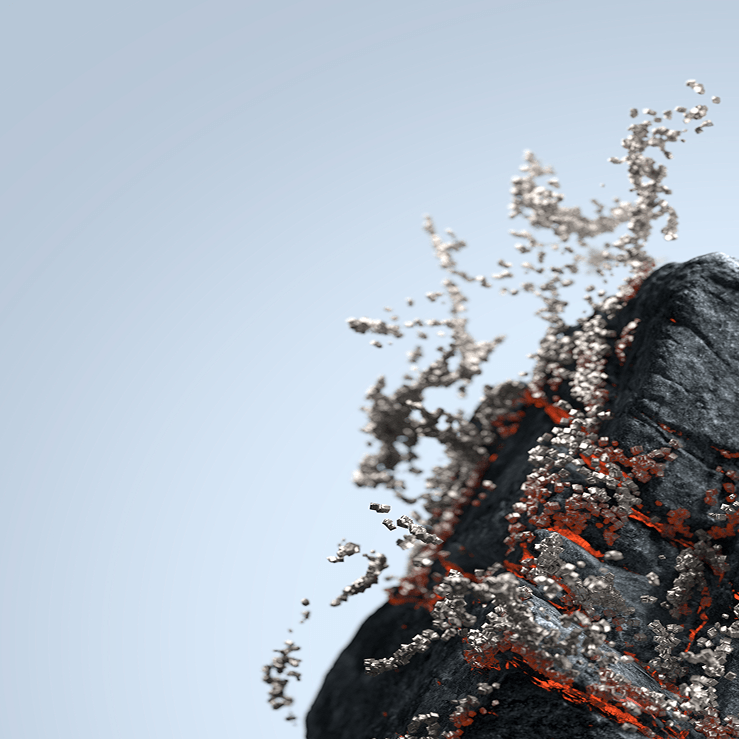
EvoMaterials breaks the link between ore quality and end-product quality. Its advanced sulfidation-based process enables cost-competitive production of high-purity metals from a wider range of raw materials, while creating new opportunities to extract value from resources such as chromite from Outokumpu Kemi mine. The technology can economically utilize lower-grade ores that are often unsuitable for conventional processing routes, resulting in better resource efficiency and lower emissions.

Process 2

Turning overlooked resources into strategic materials

EvoMaterials unlocks value from lower-grade ores, industrial side streams and other underutilized materials that have traditionally been difficult or uneconomical to process. By making better use of existing resources, the technology expands access to critical and strategic materials while supporting more secure and resilient supply chains.

Process 3

High-performance materials with significantly lower emissions

EvoMaterials replaces carbon-intensive process steps with a lower-emission alternative, enabling the production of high-quality metals with significantly reduced carbon emissions. The technology supports higher-purity materials and opens pathways to advanced ferrochrome products, specialty alloys, and future strategic metal applications.

EvoMaterials technology network

Development of the technology behind EvoMaterials began in the U.S. for Kemi chromite in 2021. Since then, Outokumpu has scaled up the technology and combined it with its own technologies and process expertise. This work has been supported in part by a non-exclusive patent license agreement from MIT.

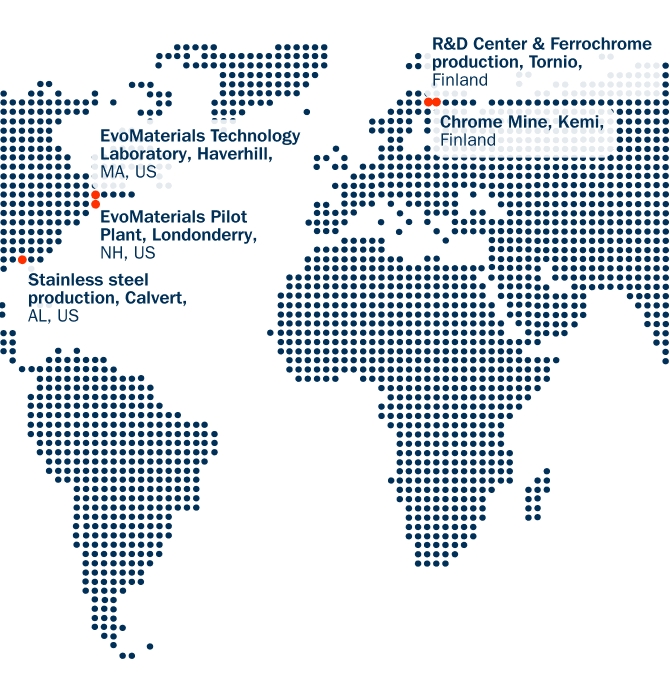
Today, EvoMaterials brings together a global network of research, pilot and industrial capabilities. With operations in the U.S. and Finland, backed by secure access to raw materials such as Kemi mine, the only chromium mine in the European Union and operated by Outokumpu, the platform is designed to accelerate the development and scale-up of next-generation metals technologies.

New markets

Various strategic materials serve high-value markets including clean technology, electronics, energy systems, aerospace, and defence, and other demanding industries.

Test heading

Test text

Test heading

Test text

Test heading

Test text

Test heading

Test text

From science to industrial reality

2020


The starting point

Outokumpu renews its SBTi commitment, and it becomes clear that ferrochrome, one of its largest sources of emissions, needs a new solution. That search leads to sulfidation technology, the start of EvoMaterials.

2021


Development begins

Development of the technology begins in the U.S. for Kemi chromite. Outokumpu further matures the approach through its RD work, combining it with proprietary technologies and process expertise, supported in part by a non-exclusive patent license agreement from MIT.

2023–2025


Lab scale

Investment in the EvoMaterials Technology Laboratory in Haverhill, Massachusetts, U.S., followed by testing and process modelling to scale the technology from one gram to one kilogram.

2025–2027


Pilot phase

Demonstrating the technology's industrial feasibility, the EvoMaterials Pilot Plant in Londonderry, New Hampshire, U.S., scales production from 1 kg to 1 ton capacity.

2026

July

Patenting the process

The publication of the first patent applications, covering key process elements, marks an important milestone.

2027

First half of 2027

Pilot plant opens

The EvoMaterials Pilot Plant in Londonderry, New Hampshire, U.S., is progressing according to plan and budget to become operational in the first half of 2027.

2027–2030


Industrialization

Building an industrial-scale plant. Outokumpu is currently evaluating potential locations for the facility in the U.S. and Europe.

2030


Industrial scale

The industrial-scale plant is planned to be operational.

2030 onward

Scaling up

To reach the full potential of the technology, the ambition is to expand into other materials, such as specialty alloys, nickel and molybdenum, as well as entirely new material streams, further entrenching Outokumpu's leading position in low-CO₂ metal solutions.

Three times more metals are being consumed than forty years ago. In particular, demand for advanced, innovative metals keeps growing. At the same time, the need to source them sustainably is greater than ever.”

Antoine Allanore, Professor of Metallurgy, Massachusetts Institute of Technology

EXPERT Insights

A step change in materials processing

Discover how EvoMaterials is transforming the way materials are processed, developed and scaled.

Strategic autonomy begins with metals

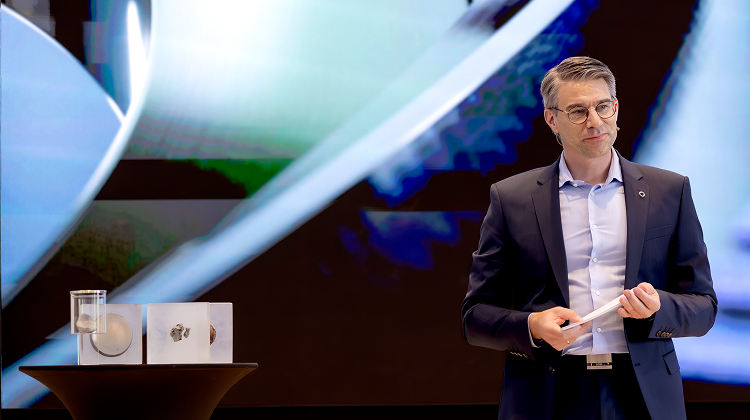
Outokumpu CTO Stefan Erdmann discusses how rethinking metals production can strengthen supply security, reduce emissions and enhance industrial competitiveness.

Read more

Rethinking ferrochrome production

Outokumpu has a century-long history in metals and technology, and now we are combining innovative technology with secure access to sustainable chromium.

People shaping the future of materials

Meet the experts combining science, technology, and business innovation to transform how strategic materials are sourced and produced.

Stefan Erdmann

Chief Technology Officer,
Outokumpu

Caspar Stinn

Technical Director,
EvoMaterials

Katherine Frangos

Program Director,
EvoMaterials

Partner & media Inquiries

Niko Hyttinen

Program Manager,
Zero Carbon Metals

Matt Humbert

Operations Manager,
Pilot Plant

Expert answers

What is EvoMaterials?

EvoMaterials is Outokumpu's advanced process metallurgy platform, built to take metallurgical innovation from concept to industrial reality. One of its cornerstones is advanced sulfidation-based process technology, which enables new processing pathways for low-CO₂ metals, advanced materials and specialty alloys. It starts with higher-value ferrochrome and chrome metal, with potential to expand into other strategic materials such as nickel and molybdenum.

How did EvoMaterials start?

EvoMaterials began with a concrete problem: reducing Outokumpu's carbon emissions. In 2020, while renewing our SBTi commitment, it became clear that we needed a new solution for ferrochrome, one of our largest sources of emissions. That search led to sulfidation technology and investment into establishing a new laboratory near Boston for research and development. Early trials showed the technology could do more than cut emissions. It could also change the fundamentals of how metals are made, and recover metals from side streams and from ores that were previously too low in value to use.

What makes the science behind EvoMaterials unique?

The uniqueness of EvoMaterials comes from interdisciplinary science. In new technology development, we are not just looking at metallurgy, but also chemistry, physics, engineering and what we can learn from many different disciplines. When these fields and experts come together, we can unlock new possibilities, reveal scientific opportunities that may have been missed, and leverage them through engineering to make metals in a better way.

Where is EvoMaterials now?

EvoMaterials is in its pilot phase, running from 2025 to 2027 and focused on proving scalability and industrial feasibility by scaling the process from one kilogram to one tonne. The technology laboratory in Haverhill, Massachusetts tests and models new processes at kilogram scale, and the pilot plant being built in Londonderry, New Hampshire is planned to be operational during the first half of 2027. The publication of the first patent applications in July 2026, covering key process elements, marked an important milestone.

How is EvoMaterials different from traditional smelting?

Traditional smelting depends on high-quality ore and uses carbon as a reductant. EvoMaterials offers lower climate impact, a cost competitive process and more flexibility in the raw materials used. It helps break the link between ore quality and end-product quality, unlocking value from marginal or uneconomic resources while producing pure metal or enriched ferroalloy.

What is MIT's role in EvoMaterials?

Development of the technology began in the U.S. in 2021, supported in part by a non-exclusive patent license agreement from MIT. Since then, Outokumpu has further developed and scaled the technology through its own R&D work, combining it with proprietary technologies and process expertise towards commercialization. Through ongoing scientific work, the technology has advanced significantly, resulting in a number of process innovations that strengthen Outokumpu's proprietary metals-processing platform.

Thank you for your interest in Outokumpu.

We hope you find this information useful.

Best wishes,
Outokumpu team

Oops, something went wrong

There was an error processing the the form.

This might happen because of Ghostery or adblocker. Try disabling them and refresh the page.