Behind every policy target or market forecast lies a physical choice – which alloy, polymer or composite will carry the load or store the energy? The decision rarely makes headlines, but it is exactly where grand ambitions succeed or stall.
In a fast-changing world, stability, resilience and sustainability are valuable. Considering the costs of corrosion, geopolitical uncertainties and the growth of strategic industries, material choices are how we can rise to meet the biggest challenges of our time.
This whitepaper examines the shift in demand for long-lasting materials, and the lifelong impact stainless steel can have across industries.
1.
Corrosion is a natural process that degrades materials, mostly metals, when they react with their environment. It’s more than just a rusty bicycle or patio furniture – it’s a force of nature that will impact essential resources and critical infrastructure.
The direct financial cost of corrosion is about 3.4% of the world’s GDP, amounting to around US$2.5 trillion annually. The climate impact is also significant: replacing corroded steel could account for between 4.1-9.1% of total CO2 emissions by 2030.
Switching to lifecycle costs analysis is one factor that can ensure systematic, long-term planning to address these costs. In these analyses, stainless steel scores higher than many alternatives – balancing costs, aesthetics and resilience unlike any other material.

While our core markets remain strong, the future of stainless steel lies in shifting perspectives. We still encounter outdated myths about stainless steel being a complex material to weld or process, but that's simply no longer the case. The real game-changer is when we move the conversation beyond the material itself. By providing deep expertise in areas like corrosion and application, we help clients unlock long-term value. Looking ahead, sustainability will be more important in the coming years – and the moment when CO₂ is assigned a tangible cost, the superior lifecycle and durability of stainless steel will not just be an engineering choice, but a clear economic and environmental imperative.”
Jori Määttänen,
Sales Director, Stalatube Oy

2.
How will stainless steel demand change as industries reevaluate the value of longevity and resilience? How important is low-emission stainless steel for industries? And how do geopolitics play into these decisions?
These are some of the questions answered by research consultancy Kairos Future, who interviewed decision-makers from companies of varying industries and geographies on behalf of Outokumpu.
Their responses paint a picture of shifting priorities - but broadly expressing value in the merits of sustainable stainless steel.
Today's society and competitiveness is very often about the next quarter, the next year, maximum the next five years, but and not the next 35 or even 60 years, which is ironic in a period where we must care about our future and the green transition. Though governments have a four to five-year horizon; those who sit on budgets have their constraints, and therefore they usually try to prefer the low-cost solution, which in many cases is carbon steel whereas stainless steel is the better choice considering the total costs over the lifecycle.”
Jörg Müller,
Senior Vice President, Business Line Europe, Outokumpu
3.
Think of a world where the lifetime costs of our material choices were prioritized during project planning: how would the world look different?
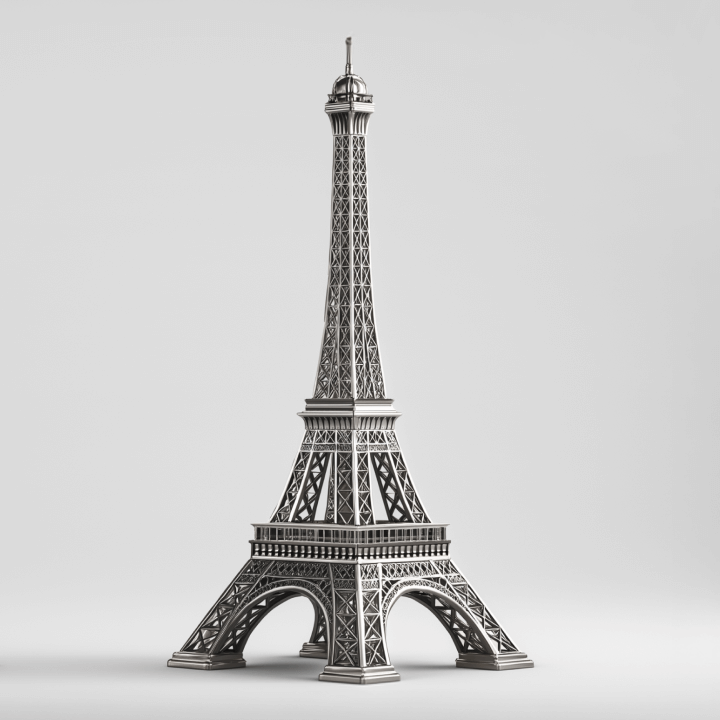
Consider the Eiffel Tower in Paris. The iconic French landmark is made of wrought iron, which requires regular painting and maintenance. This can cost €3 million every 18 months, and over the course of a lifetime it has a bigger carbon impact than the initial wrought iron structure.
If Gustave Eiffel had built his vision from stainless steel, the structure would have a 64% CO2 reduction in lifecycle emissions over 100 years – with 25% less material used and no painting or surface maintenance required.
If we look at the total costs when building new products or infrastructure, we can better understand the advantages stainless steel has against its main rivals – materials ranging from carbon steel and aluminum to plastics and copper.
MATERIAL |
STRENGTHS |
WEAKNESSES |
|---|---|---|
Carbon and low-alloy steels |
Cheap; weldable |
Durability, higher maintenance costs |
Aluminum |
Light; good corrosion resistance |
Softer; more expensive per unit strength; energy intensive to smelt |
Copper & nickel alloys |
Excel in extreme environments and high temperatures |
Price-premium; harder to weld |
Ceramics |
Exceptional hardness; wear and corrosion resistant |
Brittle, difficult to machine join, sensitive to thermal shock |
Plastics and composites |
Lightweight; design freedom |
Low heat limit; limited recyclability; permeability to gases or solvents |
Timber and other bio-based materials |
Store carbon |
Long-term moisture problems; struggle with fire-resistance; lower structural predictability |
Concrete |
Low cost; ubiquity; fire resistance; strong compressive capacity |
Heavy; weak in tension; prone to cracking; durability issues |
A major game changer for the industry would be to incentivize engineering, procurement, and construction (EPC) partners to prioritize total cost of ownership over initial manufacturing cost. If we can get this crucial benefit fully recognized in the procurement process, it represents a massive win for long-term value and sustainability.”
Carmen Pino,
Senior VP of Commercial, Outokumpu
Read the full white paper and discover more industry trends, sector insights, and the keys to building an everlasting era.
Download1. The Five Shifts that Shape the Steel Industry
2. The Evolution of Materials
Download pageDownload our whitepaper "The Evolution of Materials" from the link below:
DownloadDownload the summary of our whitepaper "The Evolution of Materials" from the link below:
DownloadFor the latest updates to the Future of Steel white paper series, visit our website
This might happen because of Ghostery or adblocker. Try disabling them and refresh the page.